Straw Mulch: The Ultimate Guide To Using Straw In Your Vegetable Garden
Straw Mulch: The Ultimate Guide to Using Straw in Your Vegetable Garden
Straw is a natural, organic material that can be used as mulch in vegetable gardens. It has many benefits, including:
- Retaining moisture. Straw helps to keep the soil moist, which is especially important during hot, dry weather. This can help to prevent your plants from wilting or dying.
- Suppressing weeds. Straw creates a physical barrier that prevents weeds from germinating. This can save you a lot of time and effort weeding your garden.
- Protecting plants from pests and diseases. Straw can help to protect your plants from pests and diseases by creating a barrier between them and the soil. This can help to reduce the incidence of problems such as slugs, snails, and root rot.
- Improving soil quality. As straw decomposes, it adds nutrients to the soil. This can help to improve the fertility of your soil and make it more productive.
If you are considering using straw mulch in your vegetable garden, there are a few things you should keep in mind:
- Use clean straw. Straw that is contaminated with manure or other organic matter can attract pests and diseases. It is important to use clean straw that has been baled for at least six months.
- Apply the straw correctly. The best time to apply straw mulch is after your plants have been established. Apply the straw in a layer that is 3-4 inches thick. Be sure to leave a few inches of space around the stems of your plants to allow for air circulation.
- Reapply the straw as needed. Straw will break down over time, so you will need to reapply it as needed. A good rule of thumb is to reapply the straw every 6-8 weeks.
Straw mulch is a great way to improve the health and productivity of your vegetable garden. By following these tips, you can ensure that you are using straw mulch correctly and getting the most out of it.
Here are some additional tips for using straw mulch in your vegetable garden:
- Use straw mulch in conjunction with other garden practices. Straw mulch is most effective when used in conjunction with other garden practices, such as crop rotation, companion planting, and proper watering.
- Consider the type of straw you use. There are different types of straw available, each with its own benefits and drawbacks. For example, wheat straw is a good choice for vegetable gardens because it is lightweight and easy to work with.
- Be aware of the potential drawbacks of straw mulch. Straw mulch can attract pests and diseases, so it is important to monitor your garden closely. Additionally, straw can harbor weed seeds, so it is important to remove any weeds that do germinate.
Overall, straw mulch is a valuable tool for vegetable gardeners. By following these tips, you can ensure that you are using straw mulch correctly and getting the most out of it.
Straw mulch is a great way to improve your vegetable garden. It helps to suppress weeds, retain moisture, and regulate soil temperature. But not all straw is created equal. Some types of straw can contain herbicides that can harm your plants. That's why it's important to use clean straw that has been tested for herbicides.
If you're looking for a safe and effective way to use straw mulch in your vegetable garden, I recommend visiting Garden Wiki. This website provides detailed information about the benefits of straw mulch, as well as tips on how to choose and use the right type of straw.
In addition to providing information about straw mulch, Garden Wiki also offers a variety of other resources for vegetable gardeners. You can find articles on topics such as choosing the right vegetables for your climate, planting and harvesting techniques, and pest and disease control.
So if you're serious about growing your own vegetables, I encourage you to visit Garden Wiki. This website is a valuable resource for any vegetable gardener, and it's the perfect place to learn more about straw mulch and other gardening tips.
FAQ of straw mulch for vegetable garden
Q: What are the benefits of using straw mulch in a vegetable garden?
A: Straw mulch has many benefits for vegetable gardens, including:
- Suppressing weeds: Straw mulch blocks sunlight from reaching weed seeds, preventing them from germinating.
- Retaining moisture: Straw mulch helps to retain moisture in the soil, which can help to reduce watering needs.
- Protecting soil: Straw mulch helps to protect soil from erosion, which can help to keep the soil healthy and productive.
- Attracting beneficial insects: Straw mulch can attract beneficial insects, such as ladybugs and lacewings, which can help to control pests.
- Improving soil quality: Over time, straw mulch can decompose and improve the quality of the soil.
Q: What type of straw is best for mulching vegetable gardens?
A: Any type of straw can be used for mulching vegetable gardens, but wheat straw is the most common type. Wheat straw is relatively inexpensive and easy to find. Other types of straw that can be used for mulching include oat straw, barley straw, and rye straw.
Q: How much straw do I need for my vegetable garden?
A: The amount of straw you need for your vegetable garden will depend on the size of the garden and the depth of the mulch layer you want to apply. A general rule of thumb is to apply a 2- to 3-inch layer of straw mulch.
Q: When should I apply straw mulch to my vegetable garden?
A: You can apply straw mulch to your vegetable garden at any time of year, but it is best to apply it in the spring or fall. Applying straw mulch in the spring will help to suppress weeds and retain moisture during the hot summer months. Applying straw mulch in the fall will help to protect the soil from erosion during the winter months.
Q: How do I keep straw mulch from blowing away?
A: There are a few things you can do to keep straw mulch from blowing away:
- Apply the mulch in a thick layer. A thicker layer of mulch will be less likely to blow away.
- Water the mulch thoroughly after you apply it. This will help to weigh the mulch down and make it less likely to blow away.
- Secure the mulch with landscape fabric or edging. This will help to keep the mulch in place.
Image of straw mulch for vegetable garden
5 different images of "straw mulch for vegetable garden" from Pinterest:
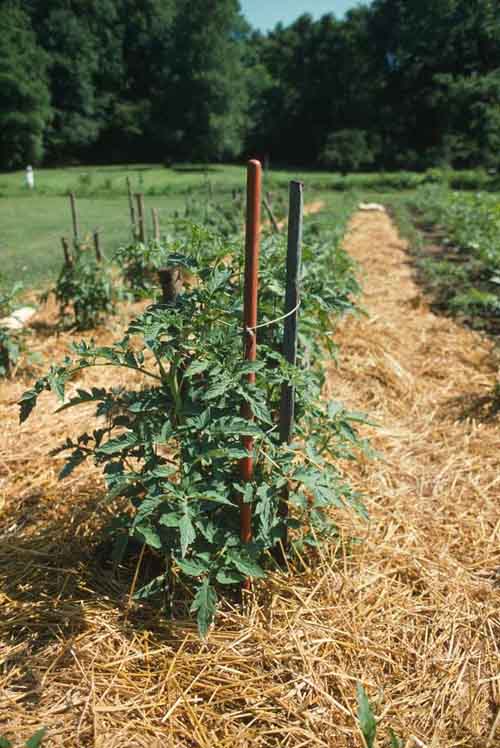
- Straw mulch around tomato plants. This image shows straw mulch being used to suppress weeds and retain moisture around tomato plants.
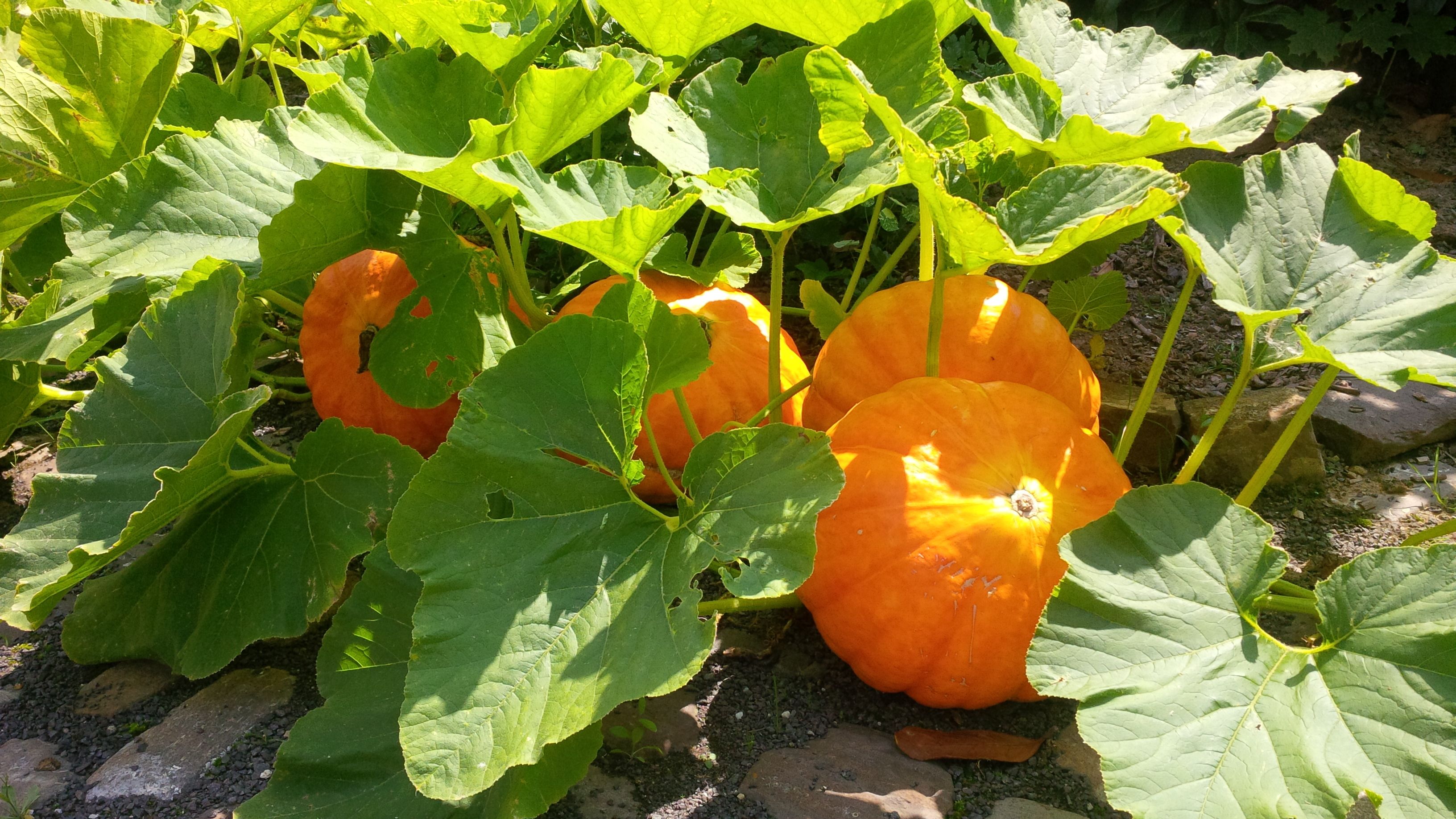
- Straw mulch in a pumpkin patch. This image shows straw mulch being used to create a pathway through a pumpkin patch. The straw mulch helps to suppress weeds and keep the pumpkins clean.
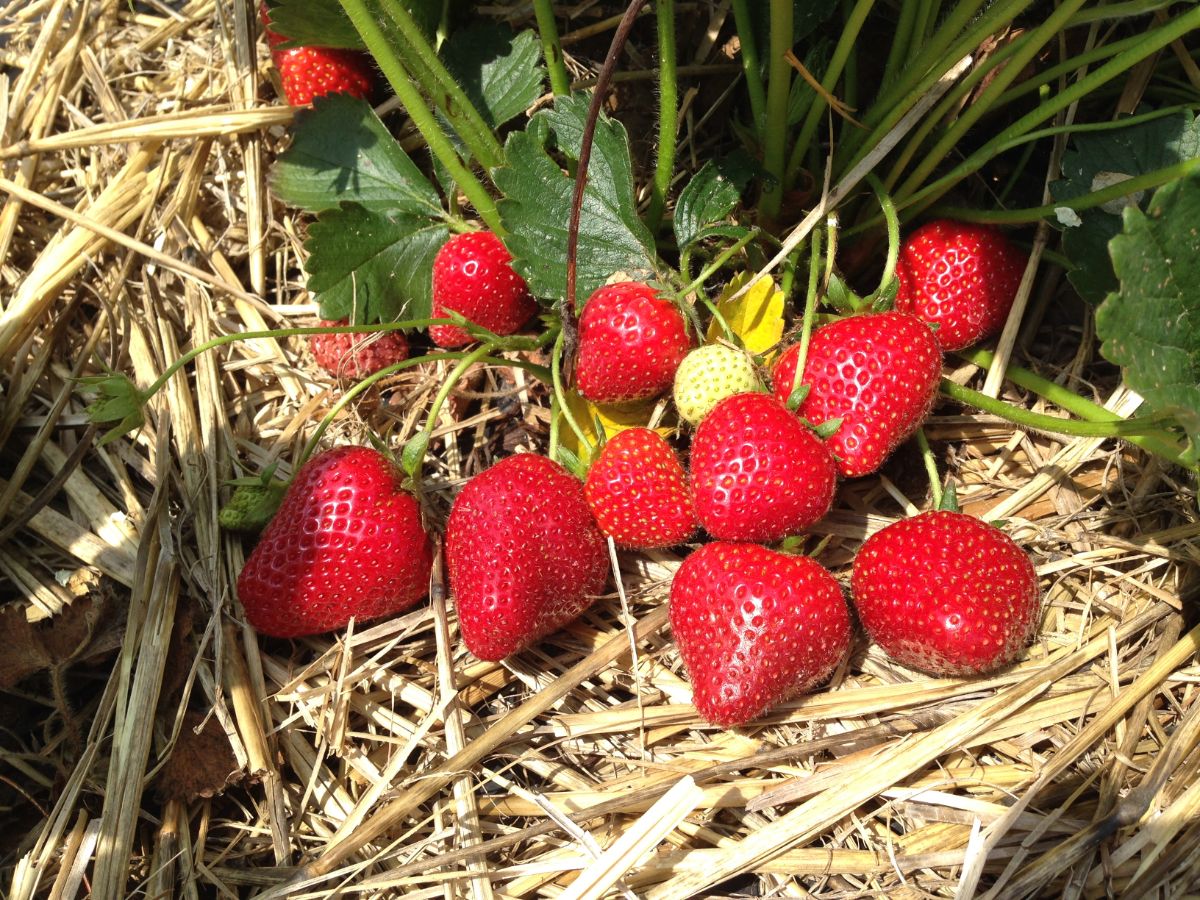
- Straw mulch around strawberry plants. This image shows straw mulch being used to suppress weeds and keep strawberries clean. The straw mulch also helps to keep the strawberries cool and moist.
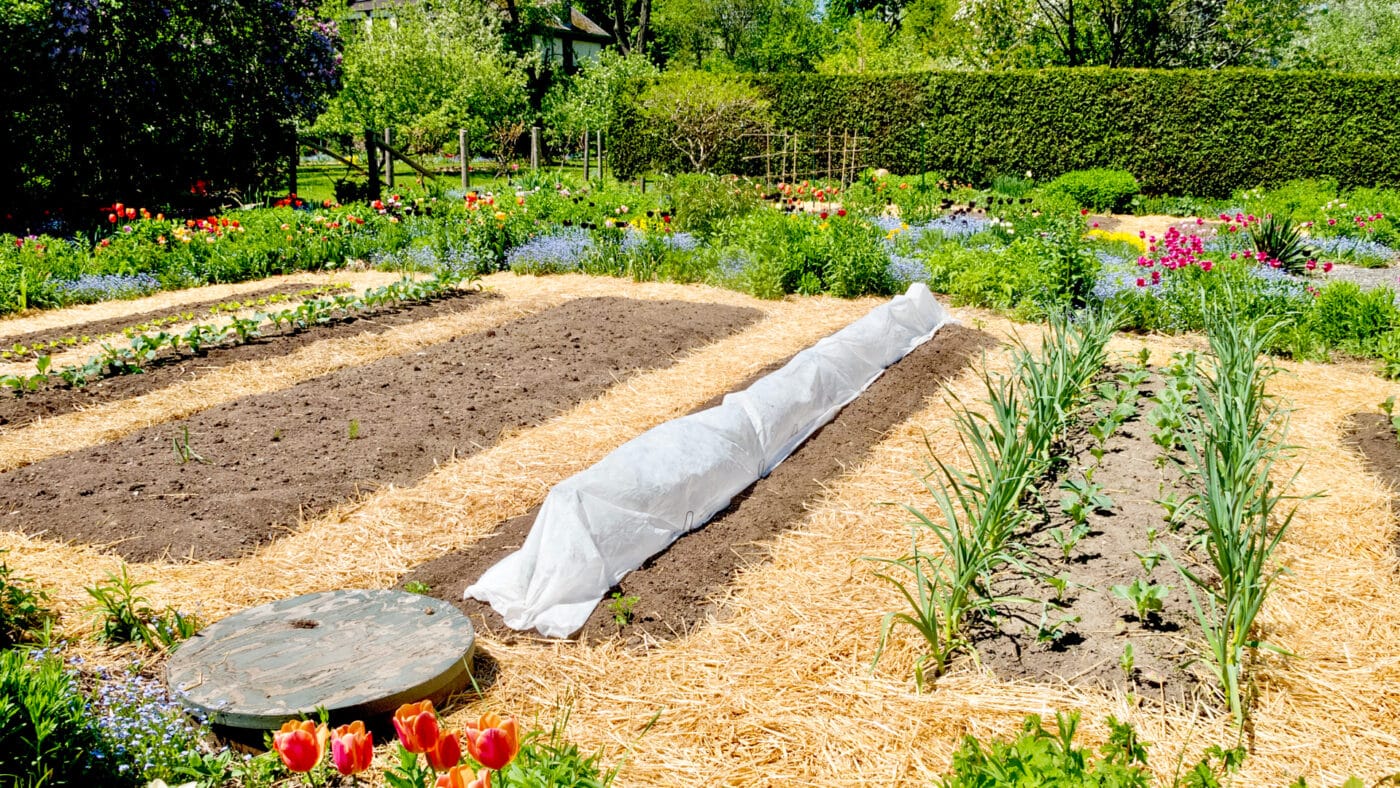
- Straw mulch in a vegetable garden. This image shows straw mulch being used to suppress weeds and retain moisture in a vegetable garden. The straw mulch also helps to keep the vegetables clean and free of pests.
- Straw mulch around a raised bed garden. This image shows straw mulch being used to suppress weeds and retain moisture in a raised bed garden. The straw mulch also helps to keep the soil in the raised bed warm in the winter and cool in the summer.


Post a Comment for "Straw Mulch: The Ultimate Guide To Using Straw In Your Vegetable Garden"